
Menopause can change small parts of your day before you have words for what’s happening. A walk may bring irritation, intimacy may become uncomfortable, or vaginal dryness may linger. These changes deserve thoughtful care and a conversation where you feel heard.
MonaLisa Touch is a hormone-free laser procedure offered with the goal of easing certain vaginal symptoms. Its benefits for menopausal symptoms remain uncertain, so understanding the evidence matters.
Keep reading to learn what treatment involves, who might discuss it with a clinician, and which other options belong in that conversation.
A Closer Look
MonaLisa Touch uses a fractional carbon dioxide, or CO2, laser. For vaginal treatment, a clinician uses a probe to deliver energy to small areas of tissue. The proposed goal is to trigger tissue remodeling, including changes in collagen, the protein that provides structural support.
When patients ask, “What is MonaLisa Touch used for?” they’re often asking about dryness, irritation, or discomfort during sex around menopause. The procedure is frequently advertised as a vaginal rejuvenation laser.
That marketing term doesn’t establish effectiveness, and a tissue response to energy doesn’t automatically translate into lasting symptom relief.
Who Might Explore It
MonaLisa Touch candidacy starts with identifying the cause of your symptoms and reviewing established treatments. The situations below are reasons to seek a careful consultation. They don’t automatically make laser treatment the right next step.
1. Persistent Dryness or Irritation
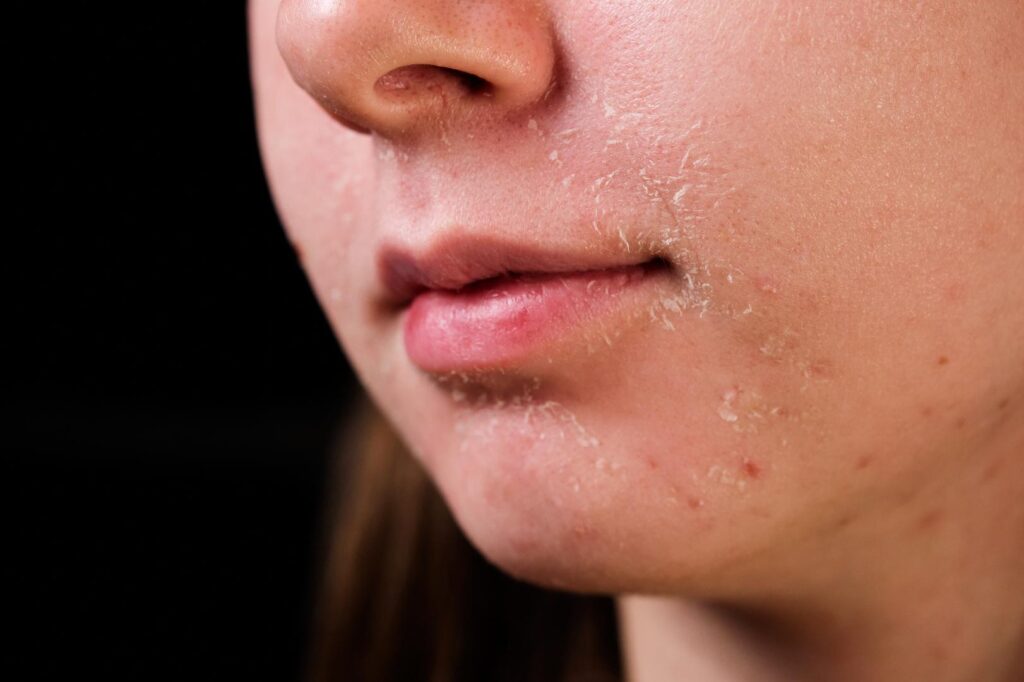
Women with ongoing vaginal dryness may hear about MonaLisa Touch while looking for relief. Declining estrogen around menopause can make vaginal tissues thinner, less elastic, and more easily irritated. These changes are part of genitourinary syndrome of menopause, often shortened to GSM.
Symptoms can show up during ordinary activities, not only during sex. You might notice burning, sensitivity, or discomfort that makes it harder to feel at ease. Bringing these details to an appointment helps your clinician understand the effect on your daily life.
Still, dryness and itching aren’t always caused by menopause. An examination can help distinguish GSM from infection, skin conditions, or irritation from personal-care products. The diagnosis should guide the treatment discussion.
You can write down your questions before the visit if talking about vaginal symptoms feels awkward. A few notes on your phone can make it easier to mention concerns you might otherwise leave until another appointment.
2. Discomfort During Intimacy
Pain during sexual activity is a valid reason to seek care, whether it began recently or has been happening for years. You don’t have to minimize it or wait until it becomes severe. A helpful conversation starts with where the discomfort occurs and what seems to trigger it.
Dry tissue can increase friction, but pain may also involve pelvic floor muscles or another medical condition. Depending on the cause, care might include lubricants, prescribed treatment, or pelvic floor physical therapy. A laser procedure won’t address every possible source of discomfort.
Any feminine wellness treatment should support goals that matter to you. That may mean greater everyday comfort, less worry about pain, or being able to discuss intimacy without embarrassment. No procedure can promise a particular sexual experience.
3. A Preference for Hormone-Free Care
A preference to avoid hormones deserves an open discussion. MonaLisa Touch doesn’t deliver estrogen, which is one reason some patients ask about laser therapy for women’s health. That feature may be appealing, but it doesn’t make the procedure more effective or safer than established options.
It’s also helpful to separate local vaginal estrogen from hormone therapy that treats symptoms throughout the body. Low-dose vaginal products usually involve much less exposure to the rest of the body than systemic treatment. Your clinician can explain how that distinction applies to your history.
Ask about the reasons behind each recommendation. A treatment decision should reflect your symptoms, medical risks, and preferences, with enough information to compare the choices fairly.
4. When First Steps Fall Short
Persistent symptoms after trying a product can be discouraging, especially when you’ve already made room for a new routine. Before moving to a procedure, review what you’ve used, how often, and whether it caused irritation. A treatment may need adjustment, or the diagnosis may need another look.
Vaginal moisturizers are used regularly to help maintain moisture. Lubricants reduce friction during sexual activity. They serve different purposes, and using one doesn’t necessarily replace the other.
For suitable patients, prescription options may include low-dose vaginal estrogen, vaginal prasterone, or oral ospemifene. These treatments have evidence supporting specific menopausal symptoms. Laser treatment isn’t a routine next step simply because a moisturizer didn’t help; its experimental status should be part of the discussion.
5. Care After Cancer
Women with a history of breast cancer may be especially interested in approaches that don’t contain estrogen. That interest is understandable, but cancer history calls for coordinated care. Your gynecologic clinician and oncology team can help review symptoms and treatment choices together.
Nonhormonal options are generally considered first. In some circumstances, low-dose vaginal estrogen may still be discussed after reviewing risks and benefits with the relevant clinicians. A history of breast cancer doesn’t mean laser treatment is the only possible option.
Trials involving breast cancer survivors taking aromatase inhibitors have not established an added benefit from fractional CO2 laser over sham treatment and supportive care. A hormone-free label should never replace that evidence discussion.
6. An Office-Based Approach
The practical appeal of a non-surgical women’s health treatment often includes avoiding an operating room and fitting care around daily responsibilities. MonaLisa Touch is performed in an office setting. At Simply Skin, the laser application itself is described as taking less than five minutes, although the full visit takes longer.
The practice describes a typical course of three sessions spaced about six weeks apart. That means planning for several appointments and following aftercare between visits. A brief application doesn’t make the whole treatment plan a one-time commitment.
Before booking a series, ask what the fee covers, how progress will be assessed, and what happens if symptoms don’t improve. These practical questions help you decide whether the commitment makes sense for you.
What the Research Shows
MonaLisa Touch results need to be considered alongside controlled research, not just individual testimonials. In a sham-controlled study, patients receive either the active treatment or a procedure designed to resemble it without delivering the same therapeutic energy. This helps researchers examine whether the treatment itself adds benefit.
A randomized trial involving 85 postmenopausal women found no significant improvement in symptom severity with fractional CO2 laser compared with sham treatment after 12 months. More recent follow-up research in breast cancer survivors has also failed to demonstrate an additional benefit over sham and supportive care.
Current professional guidance does not support routine vaginal laser treatment for GSM. If it’s considered for a patient who cannot use or prefers alternatives to established treatments, the clinician should explain that this use remains experimental. Evidence about lasting benefit and long-term safety is limited.
The laser platform has FDA clearance for certain soft-tissue surgical uses. That clearance does not cover treating menopausal vaginal symptoms. It also shouldn’t be presented as approval for vaginal rejuvenation or improved sexual function.
If you proceed, agree on a way to track your symptoms before treatment starts and between appointments. Decide when progress will be reviewed and what would count as meaningful improvement for you. Maintenance appointments should follow that review, rather than being treated as an automatic annual requirement.
Comfort and Recovery
It’s reasonable to ask, “Is MonaLisa Touch painful?” Comfort varies, and an anesthetic may be used. Tell your provider about pain during pelvic examinations or previous procedures so that comfort measures can be discussed beforehand.
Before the procedure begins, ask how the examination and probe placement will be handled. You can request a chaperone, ask for more explanation, or tell the clinician you need a pause at any point. Having a voice throughout the visit is part of feeling comfortable with the care you receive.
During MonaLisa Touch recovery, possible effects include irritation, tenderness, spotting, or discharge. Simply Skin advises avoiding sexual activity and strenuous activity for a few days. Follow your individual instructions about exercise, vaginal insertion, and when to resume intimacy rather than assuming everyone heals on the same schedule.
More serious complications can include vaginal burns, scarring, pain during sex, and persistent pain. A short appointment doesn’t remove those risks. They should be discussed before you consent to treatment.
Contact your provider promptly for severe or worsening pain, fever, heavy bleeding, or unusual discharge. Don’t wait for a scheduled follow-up if symptoms are concerning. The practice should explain how to reach the treating clinician after your appointment.
When Treatment Should Wait
Some findings call for evaluation or make laser treatment unsuitable. Unexplained bleeding, a new lesion, or an active vaginal or vulvar infection should be assessed before a procedure is considered. Bleeding after menopause deserves medical evaluation even when it seems minor.
The manufacturer’s listed contraindications include pregnancy and the first three months after childbirth. They also include certain prolapse, previous pelvic radiation or mesh reconstruction, impaired healing, and anticoagulation-related concerns. Your clinician needs a complete history to assess these issues. Bring a few practical details to your consultation:
- Your medication and supplement list, including blood thinners and hormone treatments.
- Previous pelvic procedures, cancer treatment, infections, and healing problems.
- Products you’ve tried and the symptoms you’d most like to address.
Don’t stop prescribed medicines independently. Your clinician should advise you about treatment suitability and any necessary coordination with your other healthcare professionals.
Start the Conversation at Simply Skin
You deserve time to talk about symptoms that affect your comfort and confidence. Simply Skin in Pittsburgh offers MonaLisa Touch consultations where you can discuss the procedure, ask about its limitations, and explore whether further gynecologic evaluation is needed.
Contact our team today to share your concerns and learn what an informed treatment discussion involves. We’ll help you understand the appointment process and recovery expectations so you can approach your next decision with clearer information.