
Unwanted hair has a way of turning simple routines into repetitive chores. You shave in the morning and notice stubble soon after. Waxing buys more time, but then you’re planning appointments around regrowth all over again. Laser hair removal takes a longer-term approach by targeting pigmented hair follicles during active growth, gradually reducing the amount of hair that returns.
Starting in fall can be especially convenient because laser hair removal requires a series of treatments rather than a single appointment. Less time spent tanning and more months before shorts-and-swimsuit season can also make scheduling and sun precautions easier.
If smoother skin is on your wish list for next spring or summer, keep reading to see why autumn may be the smartest time to begin.
Why Fall Gives Laser Hair Removal a Head Start
Timing matters because hair grows in cycles, and laser treatment can only effectively target certain hairs at a given appointment. Starting during fall gives patients several practical advantages as they work through a complete treatment series.
1. You Have Time to Complete a Series
One of the biggest misconceptions about laser hair removal is that one session should remove everything. Hair doesn’t grow that way.
Individual follicles move through different stages of the growth cycle. Laser treatment works best on hairs in the active growth, or anagen, phase because those hairs contain pigment and remain connected to the follicle structures being targeted. Not every follicle enters that stage at the same time.
This is why how many laser hair removal sessions are needed can’t be answered with one number for every patient. Simply Skin notes that a series of approximately four to seven treatments may be recommended, although individual treatment plans can vary.
Starting in fall gives you months to move through those sessions gradually. Instead of realizing in late spring that you’ll need several appointments, you can begin the process well before warm-weather plans arrive.
2. Fall Can Make Sun Avoidance Easier
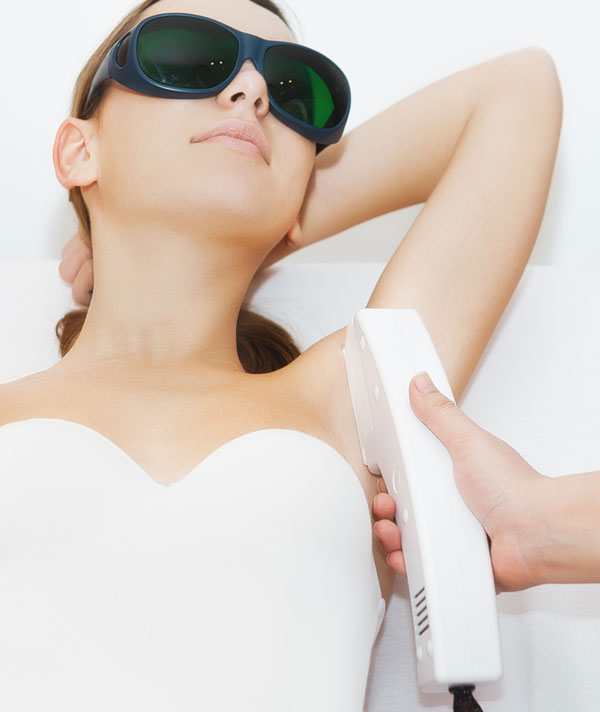
Laser hair removal and tanning aren’t a particularly helpful combination. The treatment relies on selective photothermolysis. Laser energy is absorbed by melanin in the hair, creating heat that damages the targeted follicle while limiting effects on surrounding tissue.
Recent tanning can change the amount of pigment in the skin. Depending on the device and individual skin tone, that can affect treatment settings and potentially increase the risk of burns or unwanted pigment changes.
That’s one reason the best time for laser hair removal often comes down to lifestyle as much as the calendar. Fall typically brings more clothing coverage and fewer days devoted to tanning for many patients. Legs may be covered by pants, while areas such as the bikini line are less likely to receive frequent direct sunlight.
You still need sun protection, of course. Autumn doesn’t make UV radiation disappear. It simply may make the required precautions easier to follow.
3. You Can Work With the Hair Growth Cycle
Laser hair removal isn’t a treatment you can rush simply because you have a deadline. Hair growth biology sets the pace. When a laser session treats hairs in the appropriate growth stage, other follicles may still be resting or transitioning. Waiting between appointments gives another group of hairs time to reach a treatable stage.
For facial areas, treatments may commonly be spaced several weeks apart. Body areas often require longer intervals because their growth cycles differ. Simply Skin’s guidance notes that facial laser hair removal treatments are commonly spaced about four to six weeks apart, while body treatments may be scheduled roughly eight to ten weeks apart.
Your individual schedule can differ according to the area and how your hair responds. This spacing explains why laser hair removal takes multiple sessions. Booking appointments closer together won’t necessarily speed up the process if the next group of follicles hasn’t entered the appropriate growth phase.
Starting earlier is usually more practical than trying to compress the schedule later.
4. Spring Becomes a Goal, Not a Deadline
There’s something appealing about waiting until you actually need smooth legs or a clean bikini line before thinking about hair removal. Unfortunately, that’s exactly when patients can feel rushed. Starting in autumn changes the timeline.
Rather than asking how quickly you can squeeze treatments in before a vacation, you can allow the process to unfold according to your hair cycle. By spring, you may already be well into your treatment series.
That doesn’t mean you’ll necessarily be completely hair-free by a certain month. Results vary between patients, body areas, hair characteristics, hormones, and other factors. Some follicles can also recover or produce finer hair over time, so occasional maintenance treatments may be appropriate.
Think in terms of permanent hair reduction, not a guarantee that every single hair will disappear forever. The goal is a meaningful reduction in unwanted growth that makes ongoing grooming much less demanding.
5. Shaving Becomes the Preferred Temporary Fix
Waxing and plucking work by pulling hair from the follicle. That can interfere with laser treatment because the laser needs pigmented hair in the follicle to act as its target. Shaving is different.
A razor removes the visible portion above the skin while leaving the hair shaft and follicle beneath the surface. That’s why patients are generally instructed to shave rather than wax or pluck between sessions. Starting in fall gives you time to transition away from waxing if that’s currently your routine.
Your provider will give you specific preparation instructions, including when to shave before an appointment. Follow those instructions rather than trying to leave extra hair because you think it gives the laser more to see. The useful target sits below the skin.
6. Dark, Coarse Hair Is Often an Easier Target
Understanding how laser hair removal works also helps set expectations about which hairs respond best. Laser energy is attracted to pigment. Darker hairs generally contain more melanin, which can make them better targets than very lightly pigmented hair.
Blonde, red, gray, and white hairs may respond poorly or not respond effectively to conventional laser hair removal because they contain less of the pigment needed to absorb laser energy. That doesn’t mean skin tone alone determines candidacy.
Modern laser technologies and adjustable settings have expanded treatment possibilities across a wider range of skin tones. Device selection, wavelength, settings, hair characteristics, and provider experience all matter.
A consultation can help determine whether your hair and skin combination is suitable before you commit to a series. That’s more useful than assuming a treatment will work simply because it’s called laser hair removal.
7. Large Areas Have Time to Progress
The legs, back, chest, and other larger treatment areas can feel particularly frustrating to maintain with razors or waxing. They also have their own hair-growth timelines.
Body hair is often treated at wider intervals than facial hair. Starting in fall can therefore be helpful if you’re planning laser hair removal for legs, the bikini area, back, or another larger region. Instead of trying to fit several body sessions into a short spring window, you can begin when there’s less urgency. There’s another practical benefit.
Some patients experience temporary redness or mild swelling around treated follicles after laser sessions. These effects commonly settle, but starting during a season when treated areas are more frequently covered may make the process feel easier to fit into everyday life. You’re giving both your calendar and your skin room to work.
8. Facial Hair Can Follow Its Own Schedule
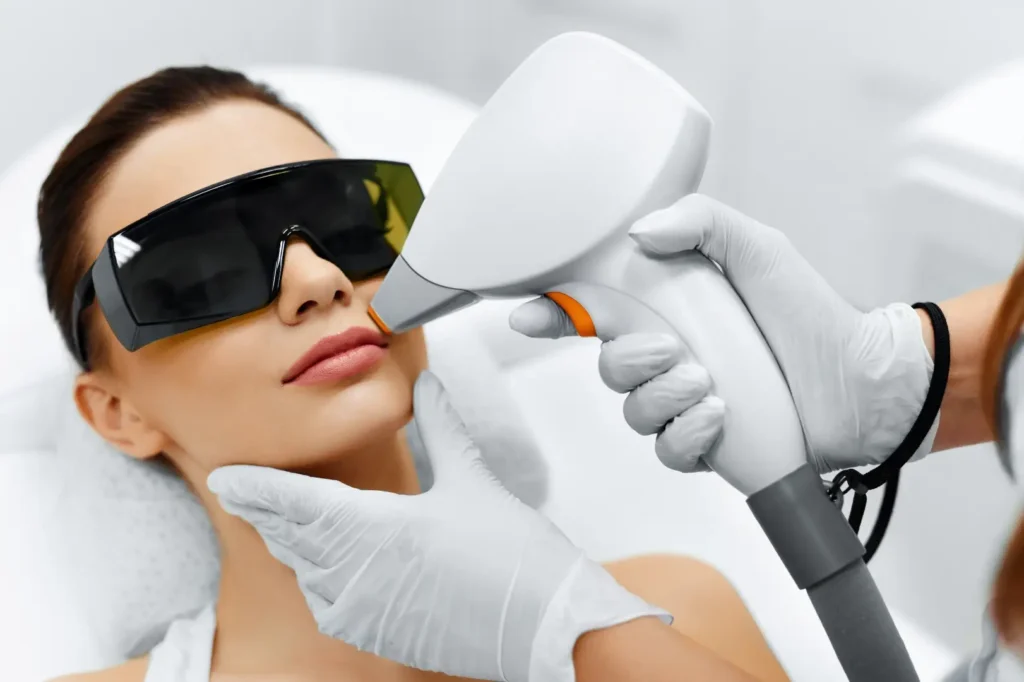
Not every laser hair removal goal involves preparing for swimsuit season. Unwanted facial hair can be frustrating year-round, particularly when shaving, tweezing, or other methods leave irritation behind. Common treatment areas may include the upper lip, chin, jawline, or other appropriate regions.
Facial hair often requires different spacing from body hair. Hormones can also play a particularly important role in facial hair growth. Patients with hormonally influenced hair may require a different treatment strategy or ongoing maintenance.
Laser can reduce appropriately pigmented hairs, but it doesn’t treat the hormonal reason new hairs may develop. That distinction is important for realistic expectations. If facial hair has increased suddenly or is accompanied by other unexplained symptoms, discussing those changes with an appropriate healthcare professional may also be worthwhile.
Laser can address the hair. It doesn’t diagnose the reason it’s growing.
Make Fall Work for You
You don’t have to wait for warm weather to start thinking about smooth skin. In fact, waiting can leave you trying to rush a process that works best when treatments follow the natural hair-growth cycle. Fall gives you time.
It may offer easier sun management, plenty of runway for multiple sessions, and the chance to make meaningful progress before spring and summer activities return. That’s why the best season to start laser hair removal is often the one that gives you enough time to treat thoughtfully rather than urgently.
Start with a consultation, learn whether your hair is an appropriate target, and build your schedule around the area being treated. A little planning now can make next year’s grooming routine feel very different.
Start Before Summer Starts
Smooth-skin goals don’t need to begin when swimsuit season arrives. Starting laser hair removal in fall can give your treatment series time to follow natural growth cycles while making sun precautions and appointment planning easier.
At Simply Skin in Clarion and Franklin, PA, patients can explore a personalized laser hair removal plan based on their skin, hair characteristics, treatment area, and goals. Beginning earlier gives the process time to work gradually, so warmer weather doesn’t have to become a last-minute deadline.
Call us today to schedule your consultation!