
Summer often leaves behind more than cherished memories. After months of outdoor activities, beach trips, and everyday sun exposure, many people notice dark spots, uneven patches of color, or discoloration that lingers long after their tan has faded. These changes can make the skin appear older, duller, and less radiant, even when you’re committed to a good skincare routine. Fortunately, hyperpigmentation doesn’t have to be a permanent reminder of summer.
Today’s aesthetic treatments offer several effective ways to address unwanted pigmentation while supporting a brighter, healthier-looking complexion. Whether your discoloration is related to sun exposure, hormonal changes, acne, or other skin concerns, personalized treatment can help improve skin tone and gradually restore a more even appearance.
If post-summer discoloration has become one of your biggest skincare concerns, continue reading. Understanding what causes hyperpigmentation and the treatments available can help you choose the right path toward clearer, more radiant skin.
What Is Hyperpigmentation?
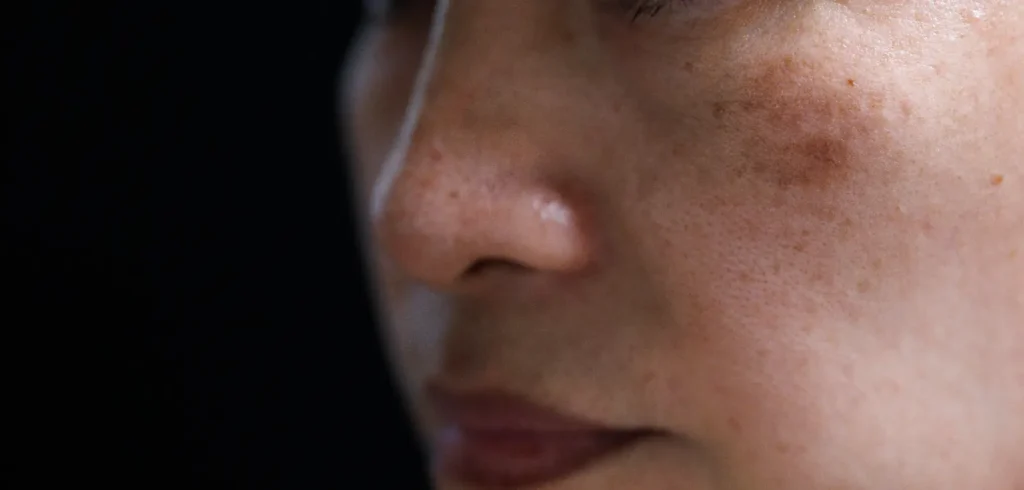
Healthy skin naturally contains melanin, the pigment responsible for giving skin its color. Hyperpigmentation occurs when certain areas of the skin produce excess melanin, resulting in patches that appear darker than the surrounding skin. These areas may develop gradually or become more noticeable after prolonged sun exposure, making them a common concern following the summer months.
While sun exposure is one of the leading causes of hyperpigmentation, it isn’t the only one. Several factors can contribute to excess pigment production, including:
- Ultraviolet (UV) exposure
- Hormonal changes, including melasma
- Acne-related discoloration
- Skin injuries or inflammation
- Certain medications
- Some cosmetic or medical skin treatments
Hyperpigmentation may appear as:
- Sunspots
- Freckles
- Age spots
- Melasma
- Post-inflammatory dark marks
- Uneven skin tone
Because different types of pigmentation respond differently to treatment, a professional skin evaluation is an important first step in developing an effective hyperpigmentation treatment plan.
Your Treatment Options for Post-Summer Hyperpigmentation
Not all pigmentation develops for the same reason, which is why successful treatment often begins with identifying the underlying cause. At Simply Skin, several advanced treatment options are available to help improve discoloration while supporting healthier, brighter-looking skin.
1. Chemical Peels
One treatment doesn’t fit every type of pigmentation. Chemical peels remain one of the most trusted options for improving superficial discoloration by encouraging the skin’s natural renewal process. Specially selected solutions exfoliate damaged outer layers of skin, allowing healthier skin cells to gradually replace those affected by excess pigment.
Depending on your skin type and concerns, a provider may recommend a customized chemical peel pigmentation treatment to improve:
- Mild sun damage
- Superficial dark spots
- Uneven skin tone
- Early signs of photoaging
- Dull skin texture
As fresh skin emerges during the healing process, many patients notice a brighter complexion with smoother texture and more balanced pigmentation. Because peel strength is selected according to each patient’s skin, treatments are tailored to provide appropriate results while supporting skin health.
2. DiamondGlow®
Healthy skin often responds best when exfoliation and hydration work together. DiamondGlow® is a professional resurfacing treatment that combines gentle exfoliation, extraction, and infusion of condition-specific serums during the same appointment.
For patients concerned about discoloration, DiamondGlow® may support:
- Skin brightening
- Improved skin texture
- Better absorption of skincare products
- A more refreshed complexion
- Overall radiance
While DiamondGlow® is not designed to replace laser procedures for deeper pigmentation, it can become an important part of an overall pigment correction plan by improving skin quality and supporting ongoing skincare. Many patients appreciate that their skin looks healthier and feels smoother shortly after treatment.
3. LaseMD ULTRA™
Some pigmentation develops beneath the skin’s surface, requiring a different treatment approach. LaseMD ULTRA™ uses fractional laser technology to create controlled microchannels within the skin while stimulating natural healing and collagen production. At the same time, the treatment helps improve unwanted pigmentation by encouraging healthier skin renewal.
As a laser for pigmentation, LaseMD ULTRA™ may be recommended for concerns such as:
- Sunspots
- Uneven pigmentation
- Mild photodamage
- Early age spots
- Overall skin rejuvenation
In addition to addressing discoloration, many patients appreciate improvements in skin texture and overall skin quality as healing progresses. Treatment plans are customized according to skin type, pigment depth, and individual goals.
4. Hollywood Spectra®
Some forms of pigmentation require highly targeted laser treatment. Hollywood Spectra® uses advanced laser technology to address unwanted pigment while promoting a brighter, more even complexion. Depending on the patient’s concerns, it may be recommended for melasma treatment, dark spot treatment, or improving discoloration associated with previous sun exposure.
Patients seeking sunspot removal or age spot removal often benefit from a personalized treatment plan that considers both the type and depth of pigmentation before laser settings are selected. Because every skin tone responds differently, providers carefully evaluate each patient’s needs to recommend the most appropriate approach.
Daily Sun Protection Supports Every Treatment
Professional treatments are only one part of managing hyperpigmentation. Without consistent sun protection, existing pigmentation can become darker, and new discoloration may continue to develop.
Daily habits that help support treatment results include:
- Applying broad-spectrum sunscreen every day
- Wearing hats when outdoors
- Seeking shade during peak sunlight hours
- Reapplying sunscreen throughout the day
- Following a personalized skincare routine recommended by your provider
Protecting your skin from future UV exposure plays an important role in maintaining improvements achieved through professional treatments while supporting long-term sun damage treatment goals.
Every Case of Hyperpigmentation Is Different
Pigmentation concerns can look similar on the surface while developing from very different causes. For example, melasma behaves differently than sunspots, and post-acne discoloration often requires a different strategy than age-related pigmentation.
During your consultation, providers evaluate factors such as:
- Your skin type
- The depth of pigmentation
- Medical history
- Previous treatments
- Lifestyle and sun exposure
- Your overall skincare goals
This personalized assessment helps determine whether one treatment or a combination of therapies may provide the most appropriate approach for improving discoloration.
Combining Treatments Often Produces Better Results
Hyperpigmentation rarely develops from a single cause. Some patients have sunspots from years of UV exposure, while others struggle with melasma, post-acne discoloration, or multiple pigment concerns at once. Because of this, many providers recommend combining treatments rather than relying on a single procedure.
For example, a personalized treatment plan may include:
- Chemical peels to encourage healthy skin renewal
- DiamondGlow® to exfoliate and brighten the complexion
- LaseMD ULTRA™ to target deeper pigmentation while improving skin quality
- Hollywood Spectra® for more targeted pigment correction
Using complementary treatments allows providers to address different layers of pigmentation while also improving the overall appearance and texture of the skin. Rather than focusing on only one concern, combination therapy often creates a more comprehensive approach to skin rejuvenation.
Fall Is the Perfect Time to Begin
Timing can make a meaningful difference when treating pigmentation. After months of increased sun exposure, many people notice that dark spots and uneven pigmentation become more visible as their summer tan begins to fade. Starting treatment during the fall allows patients to focus on repairing sun damage while spending less time in intense sunlight than they might during the summer months.
Beginning hyperpigmentation treatment during this season also gives the skin time to gradually improve before holiday gatherings, family photos, and other special events. For many patients, fall becomes the ideal opportunity to reset the skin after months of ultraviolet exposure.

Restore Brighter, More Even Skin at Simply Skin
Summer may leave behind lasting reminders in the form of sunspots, uneven skin tone, and other visible signs of hyperpigmentation, but those concerns don’t have to define your complexion. With today’s advanced treatment options, including chemical peels, DiamondGlow®, LaseMD ULTRA™, and Hollywood Spectra®, patients have access to personalized solutions that support pigment correction, skin brightening, and healthier-looking skin over time.
At Simply Skin in Clarion and Franklin, PA, every treatment plan is customized to your skin type, the cause of your pigmentation, and your long-term goals. Whether you’re seeking melasma treatment, dark spot treatment, sunspot removal, or a comprehensive sun damage treatment plan, you’ll receive expert guidance to help you achieve a brighter, smoother, and more even complexion.
Contact us today to schedule your consultation!